
FAQ
What happens to all the honey?
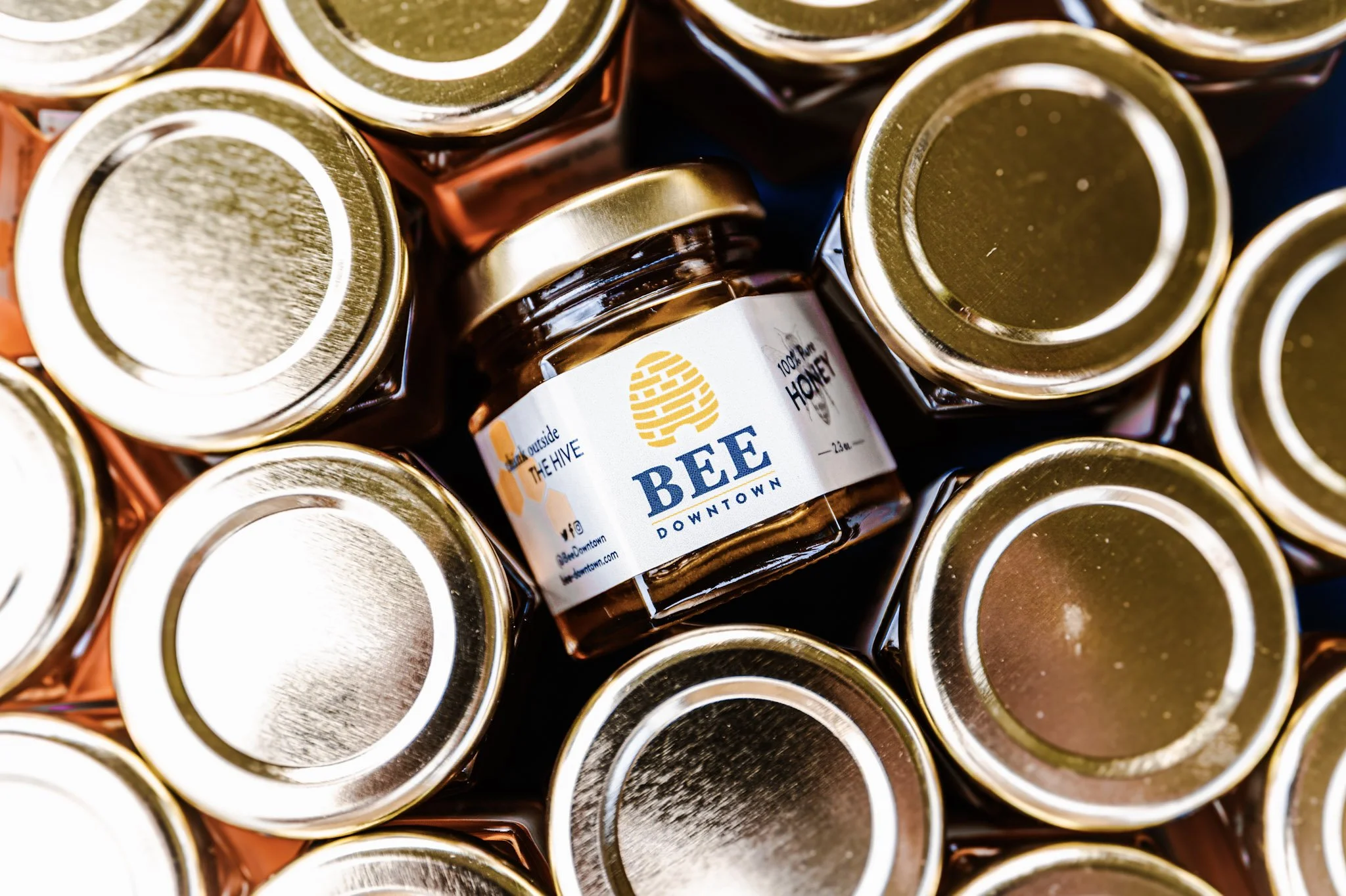
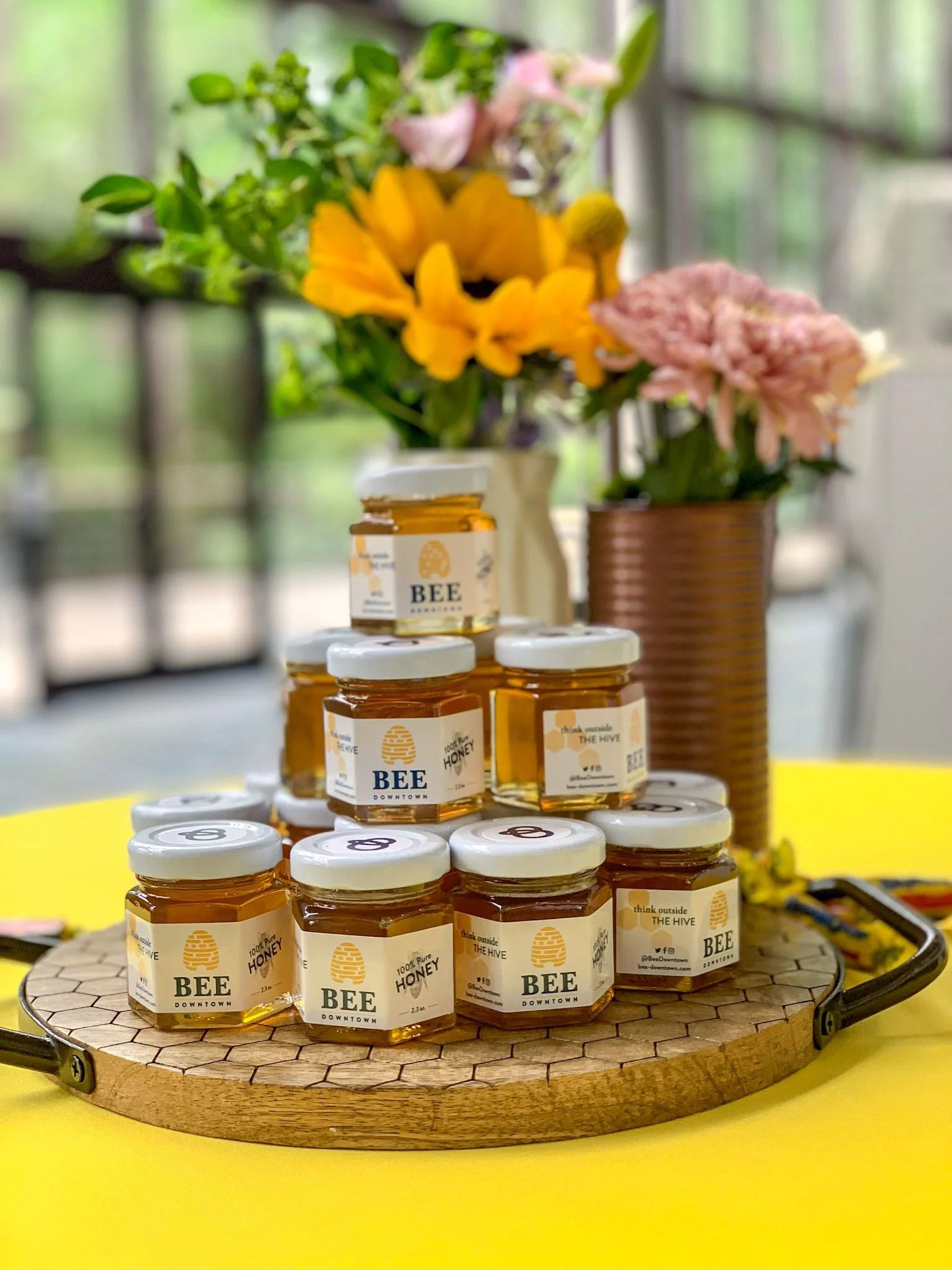
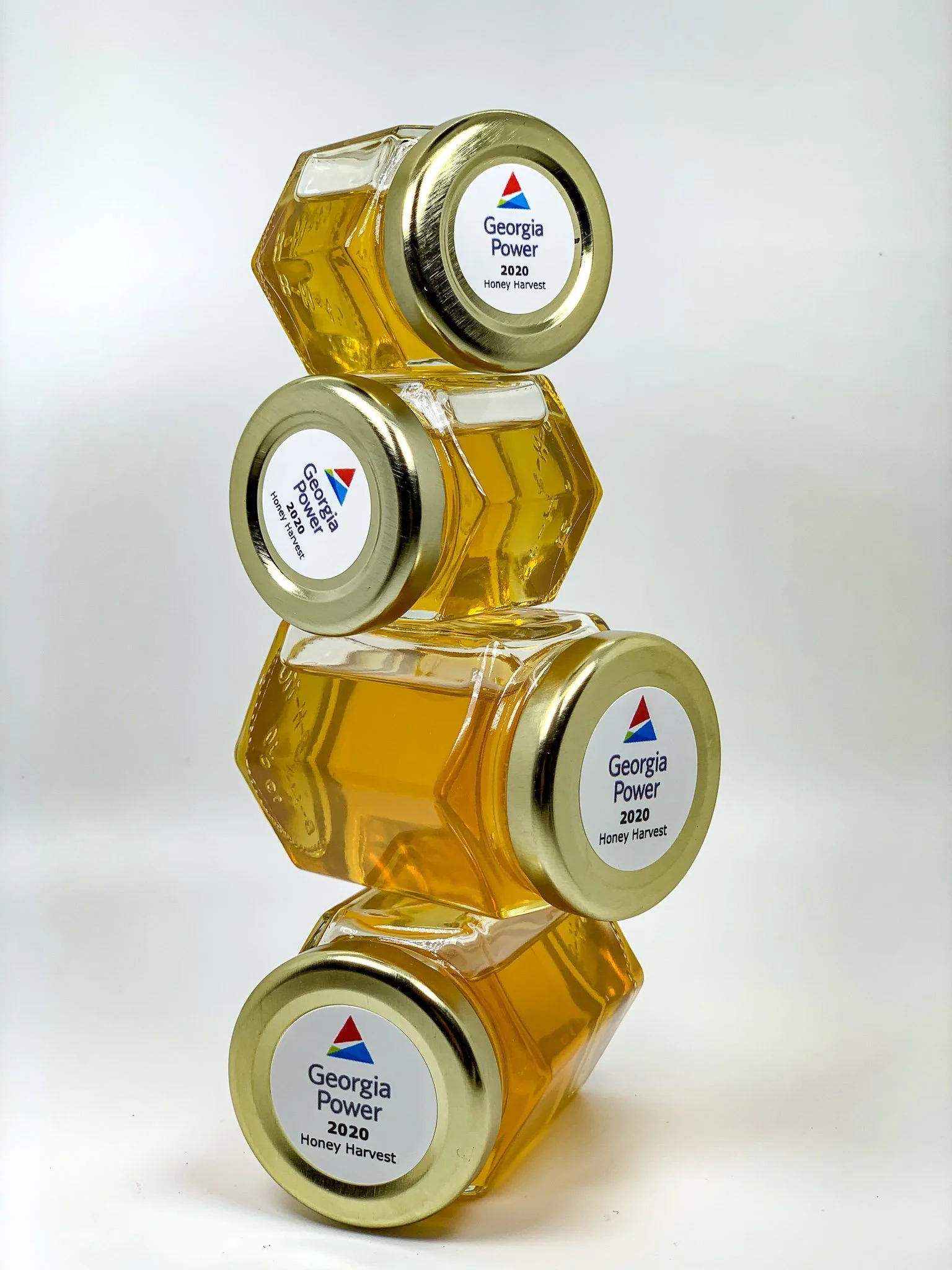
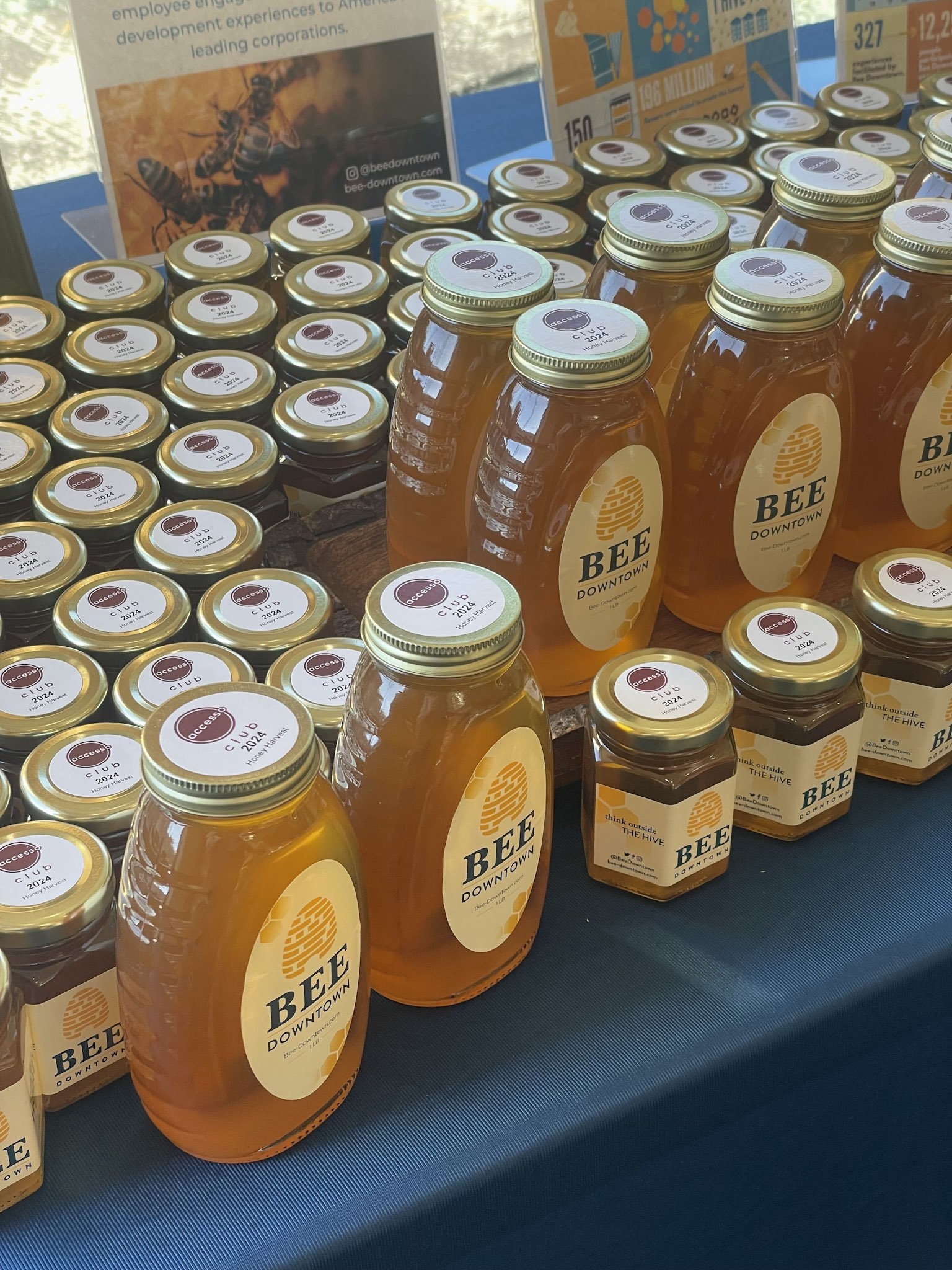
You own all the honey your hives produce! We bottle and custom-label your honey each year. At that point you can gift it to customers, use it in the cafeteria, partner with a local brewery on a Honey Pilsner, share it with a food kitchen - we’ve got a million ideas for creating joy with the sweet stuff.
Are honeybees on campus safe?
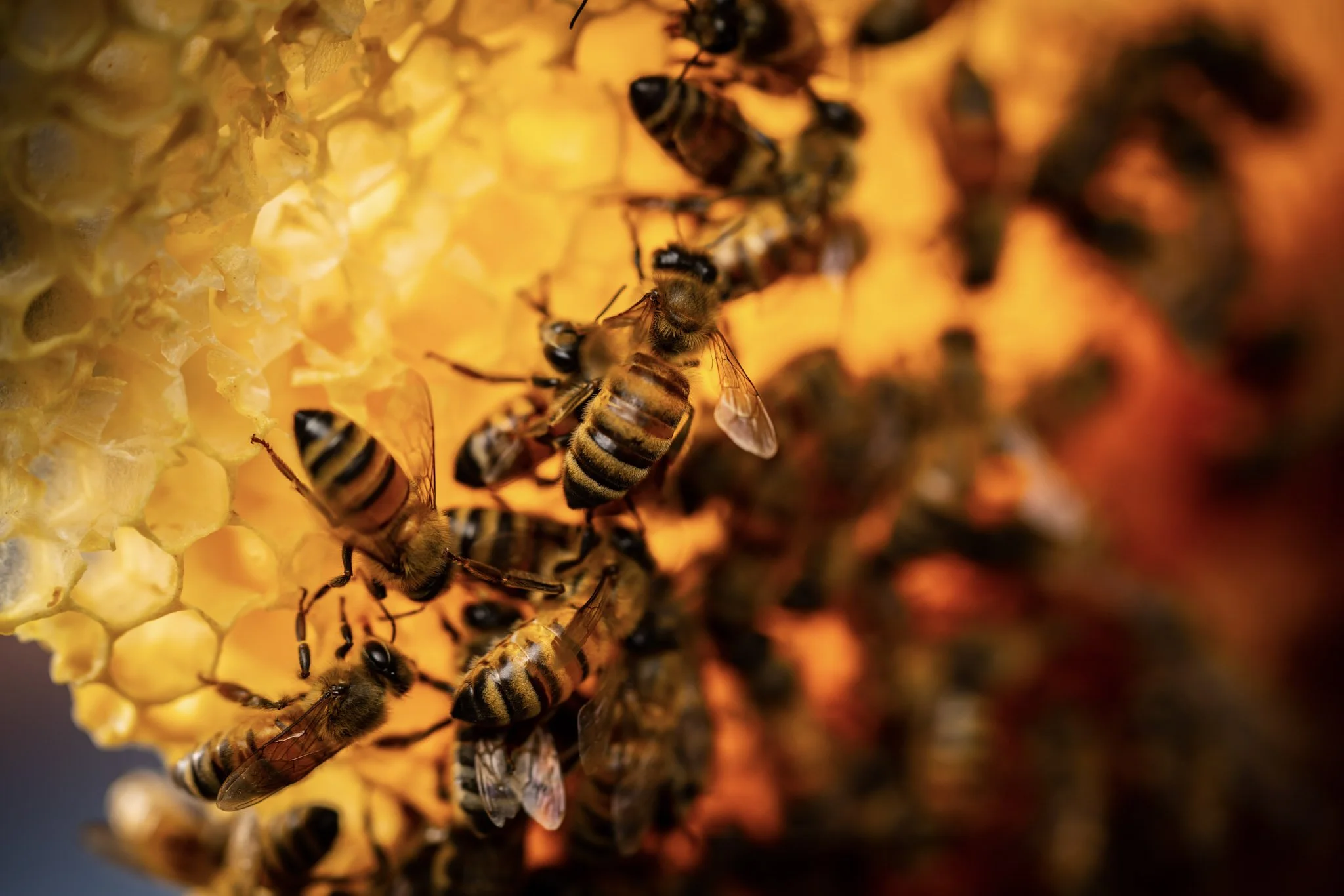
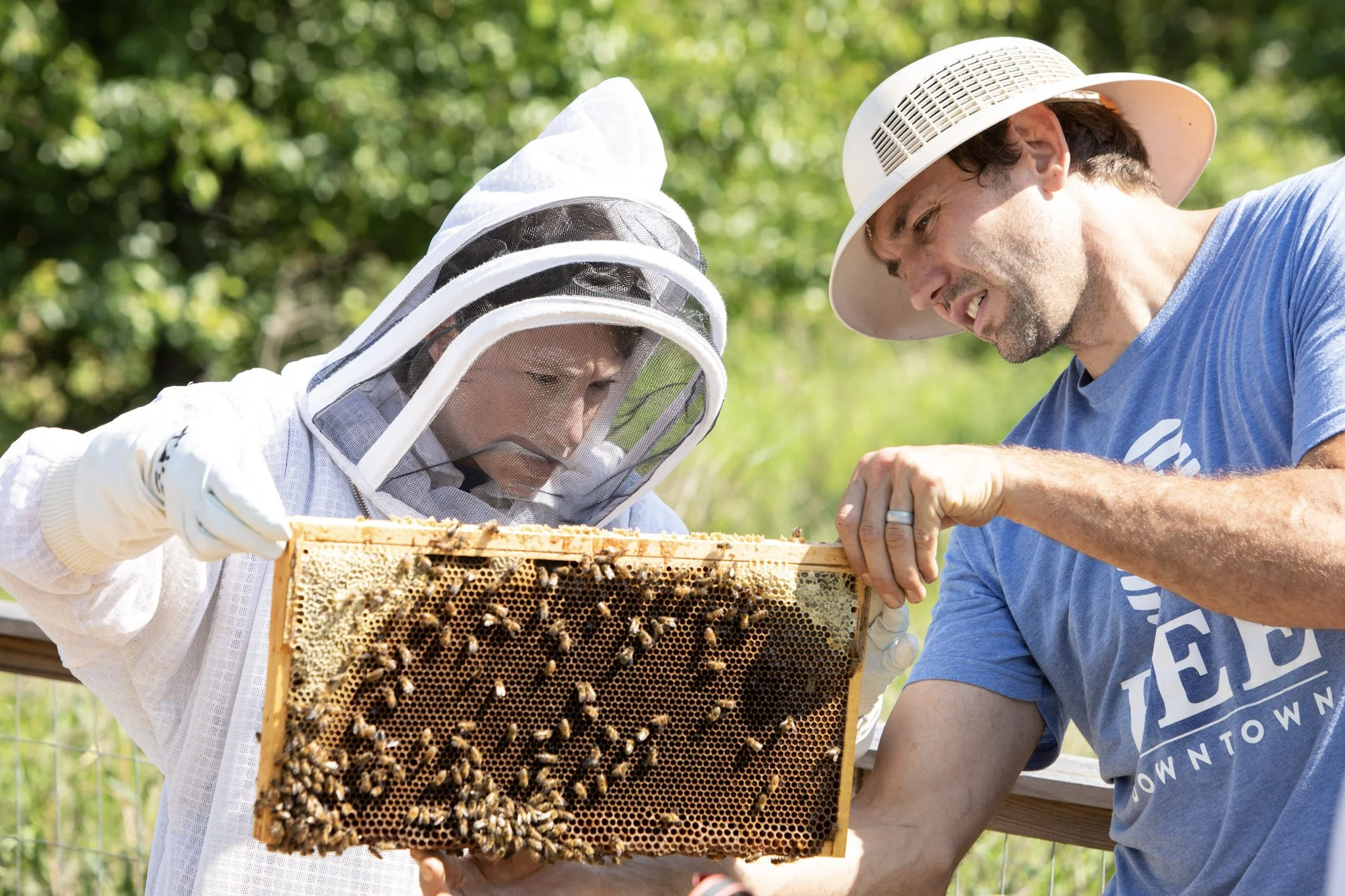
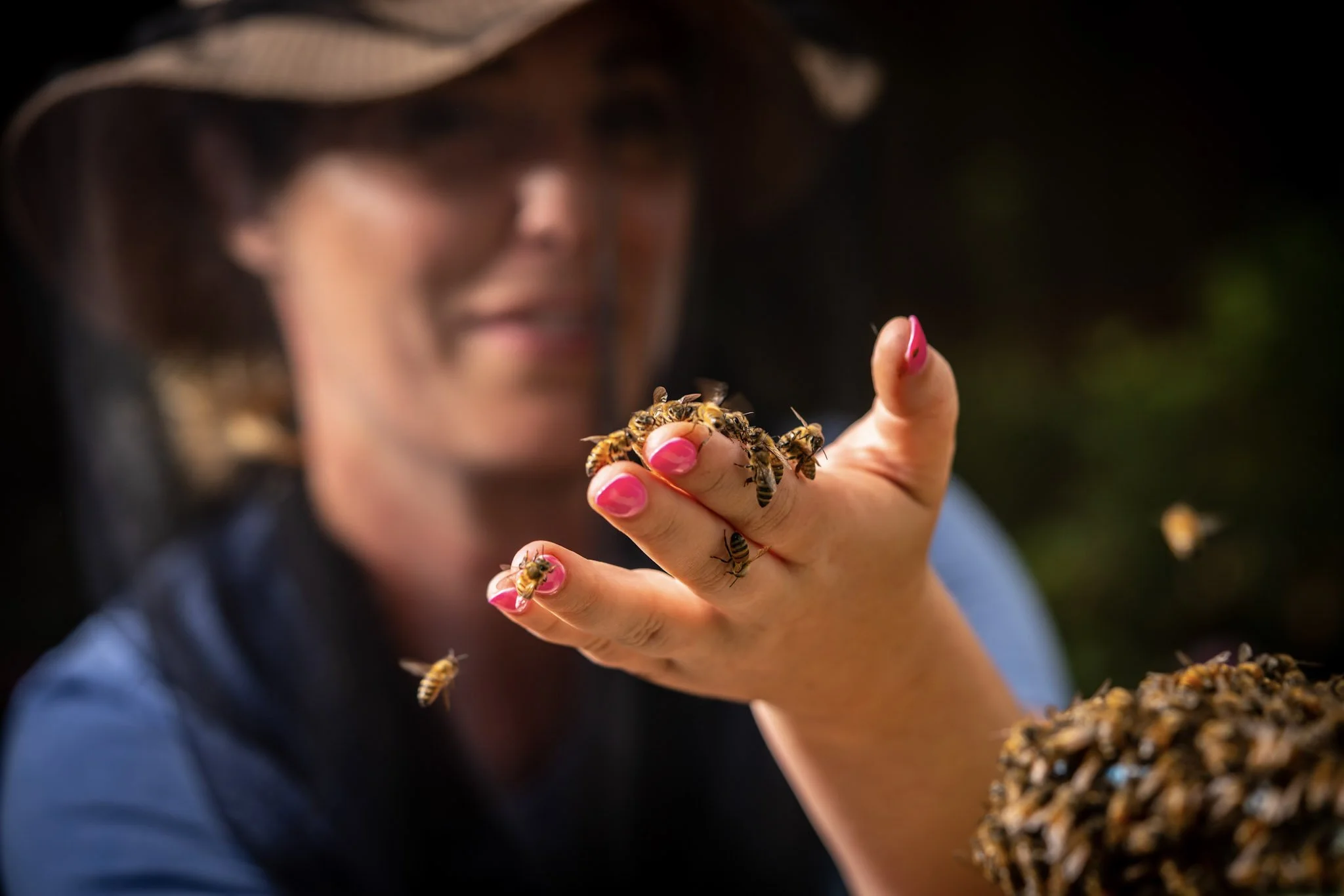
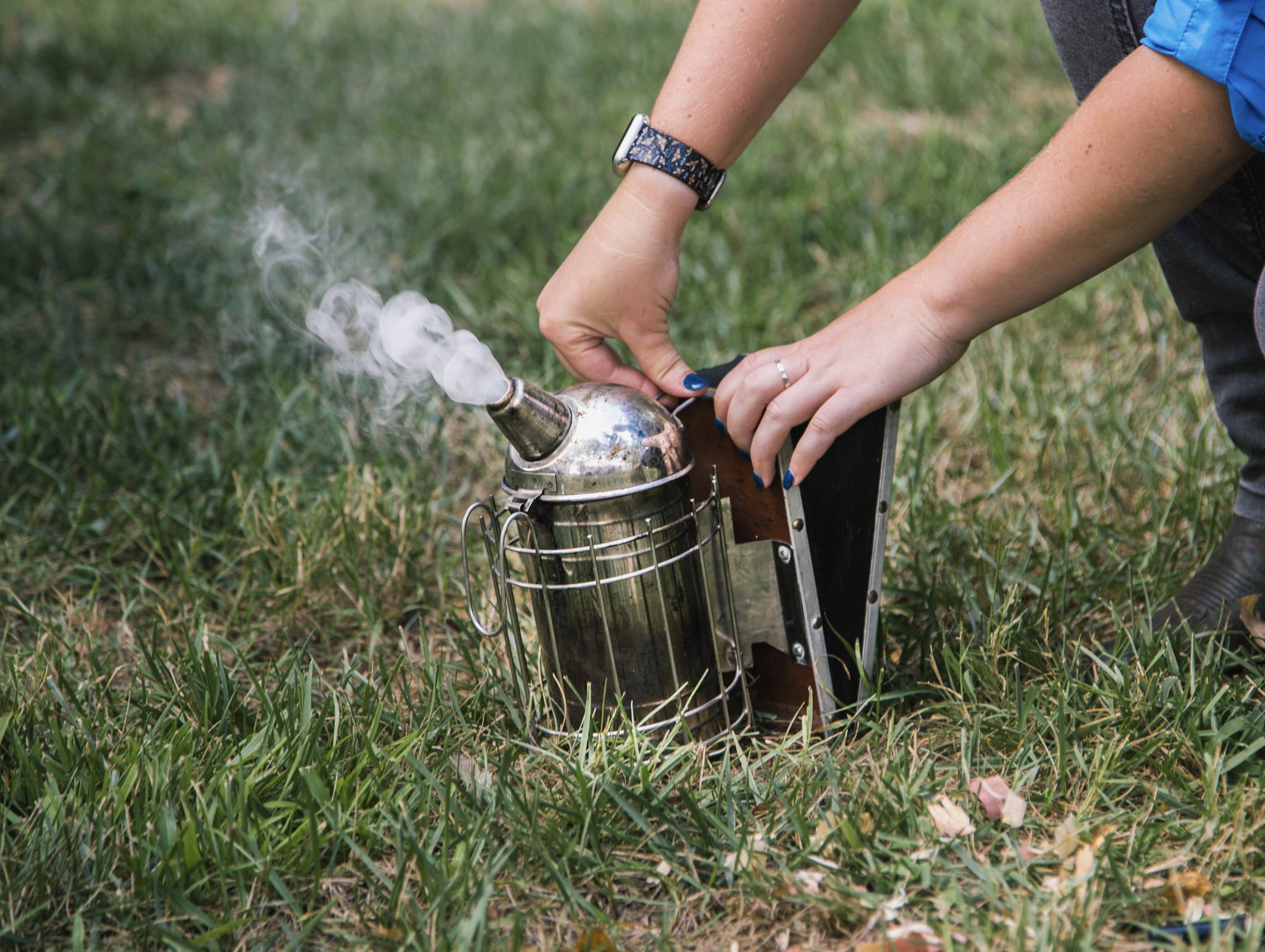
From full beekeeping suits to fencing to the types of bees we keep, our programs are designed and focused on keeping your employees and campus safe. Our procedures and processes have now been vetted by dozens of Risk Management departments from the world’s largest companies. We respond to concerns about safety with knowledge, thoughtfulness, and time-tested methods.
Are healthy honeybee populations that important?
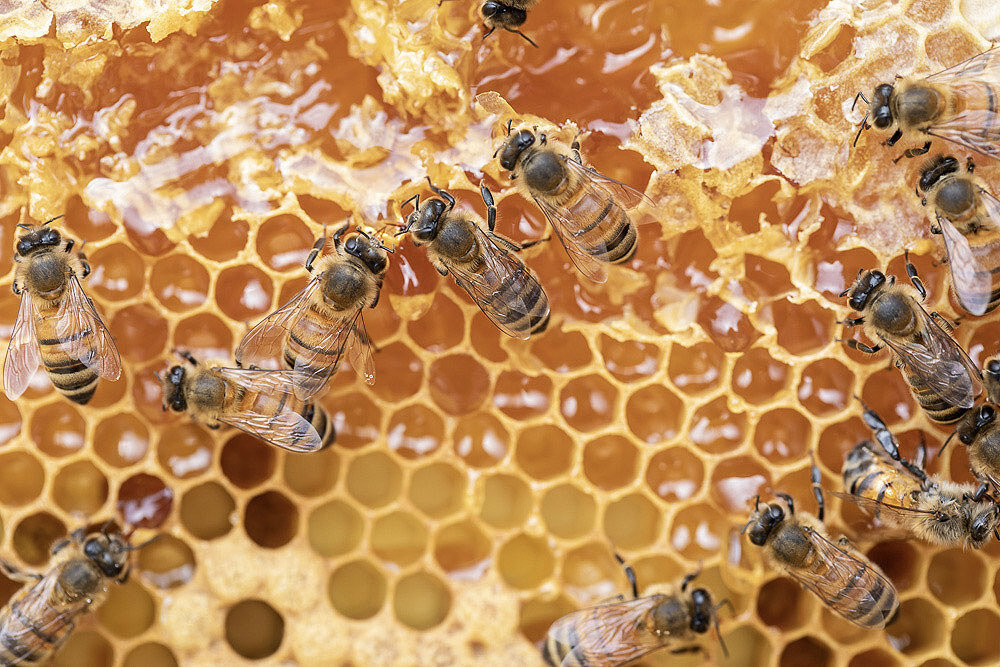
Every third bite of food you eat is thanks to a pollinator. Many crops, like almonds of which the United States is the world’s largest producer, are only pollinated by honeybees. Our flying friends play a vital role in the environment, the economy, and the variety of food on our plates!
Who takes care of the beehives?
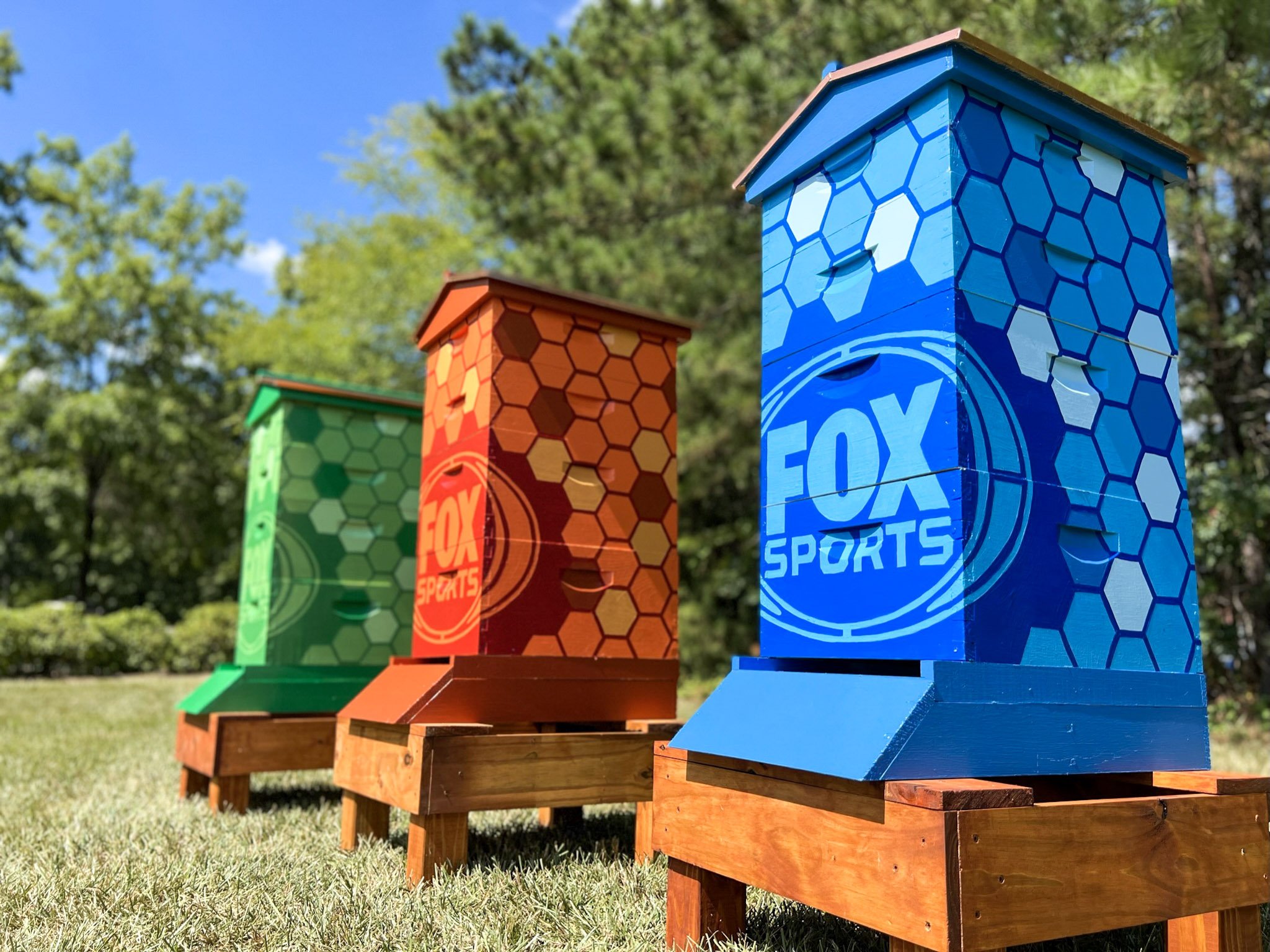
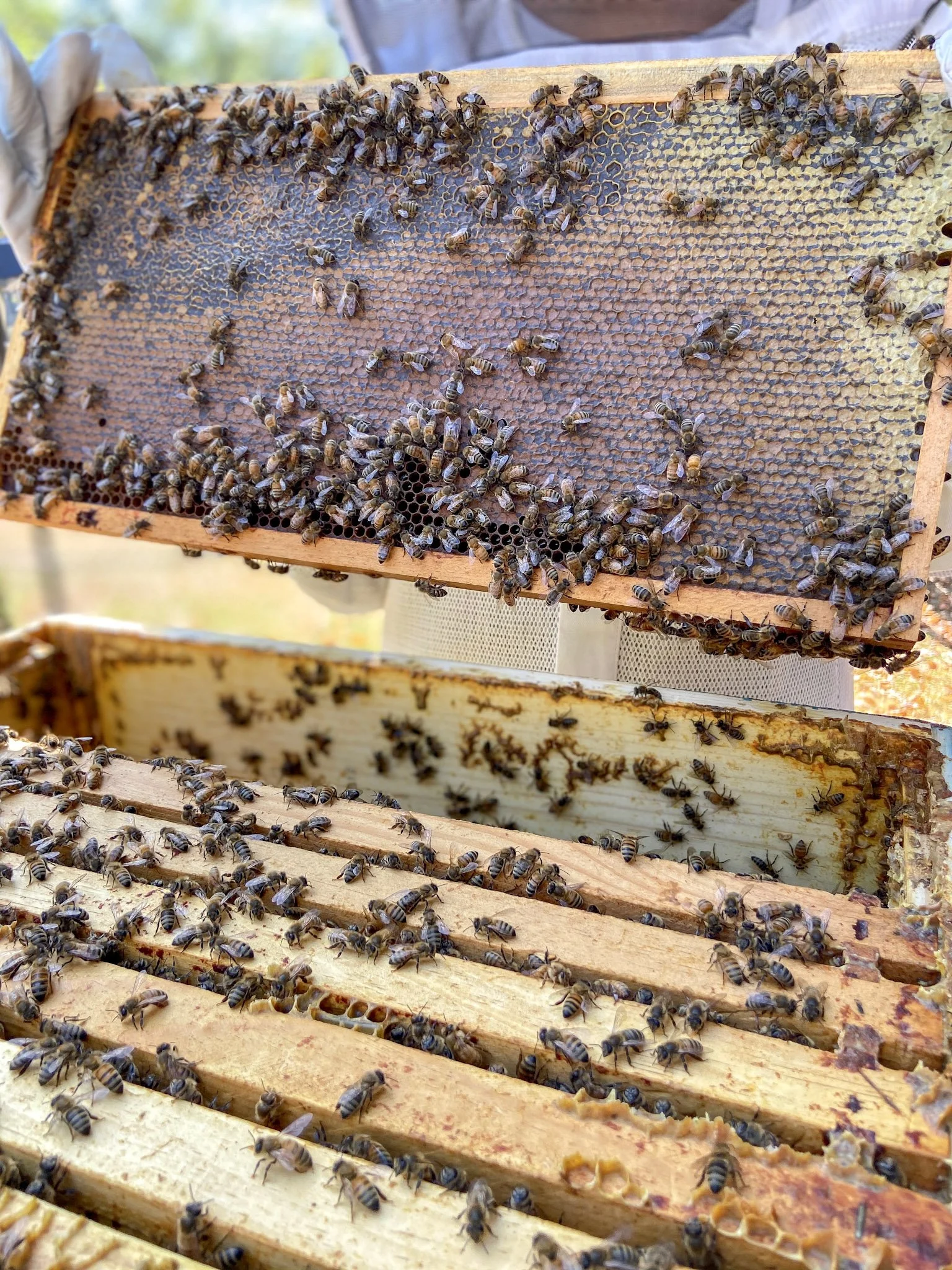
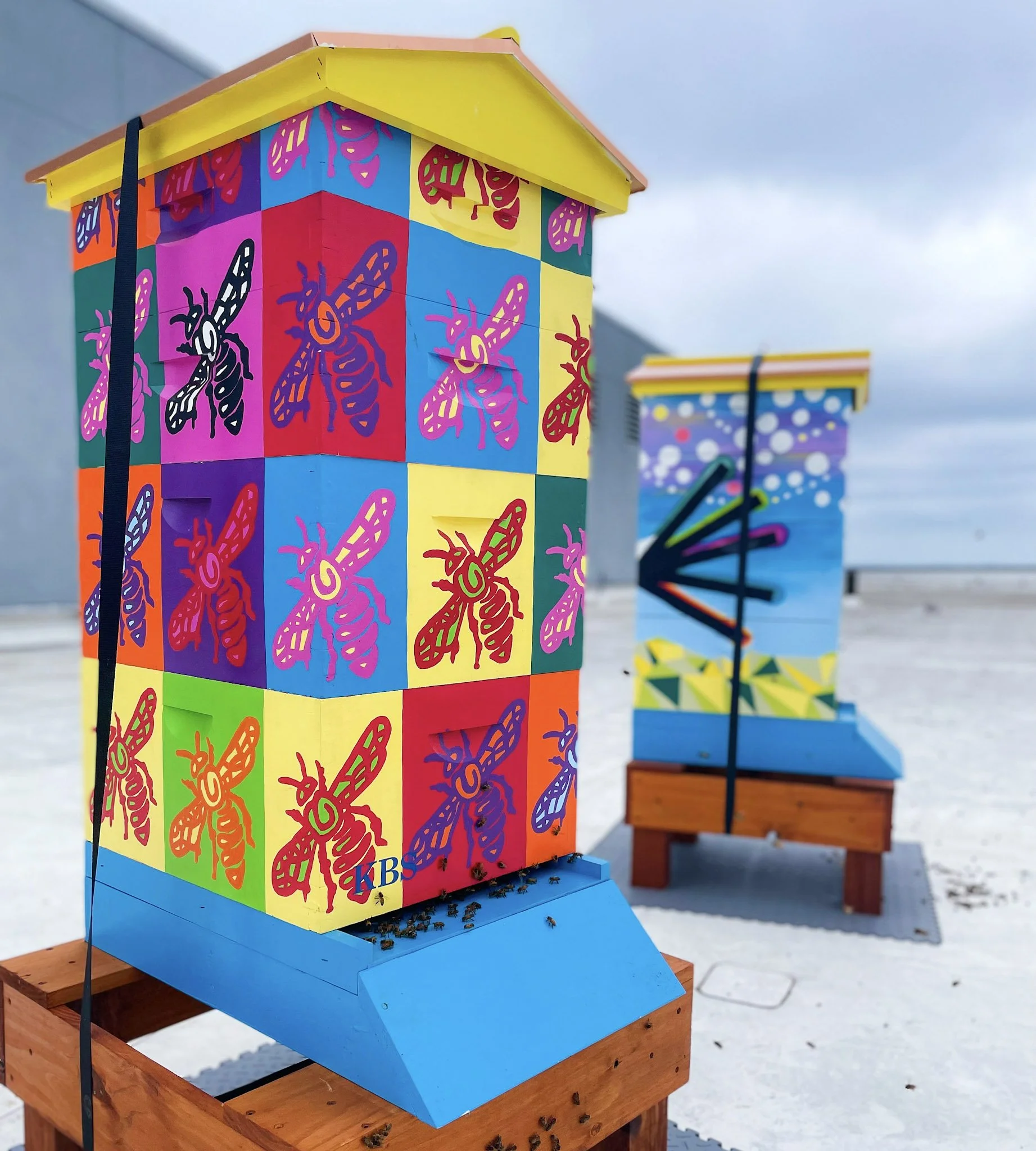
Your hives are in the good hands of Bee Downtown’s expert beekeepers. Our certified beekeepers will visit your location bi-weekly during bee season to ensure the health of the colonies and the maintenance of your apiary. All you need to do is enjoy the bees!
Is Bee Downtown a non-profit organization?
No. We believe Bee Downtown is most effective at delivering on our mission as a socially responsible corporation.
Why are pollinators important?
Pollinators are an indicator species and can help us understand the overall health of our environment very efficiently. As native pollinator species are in decline, Bee Downtown uses the honeybees to begin a larger conversation around the importance of all pollinators and environmental stewardship.